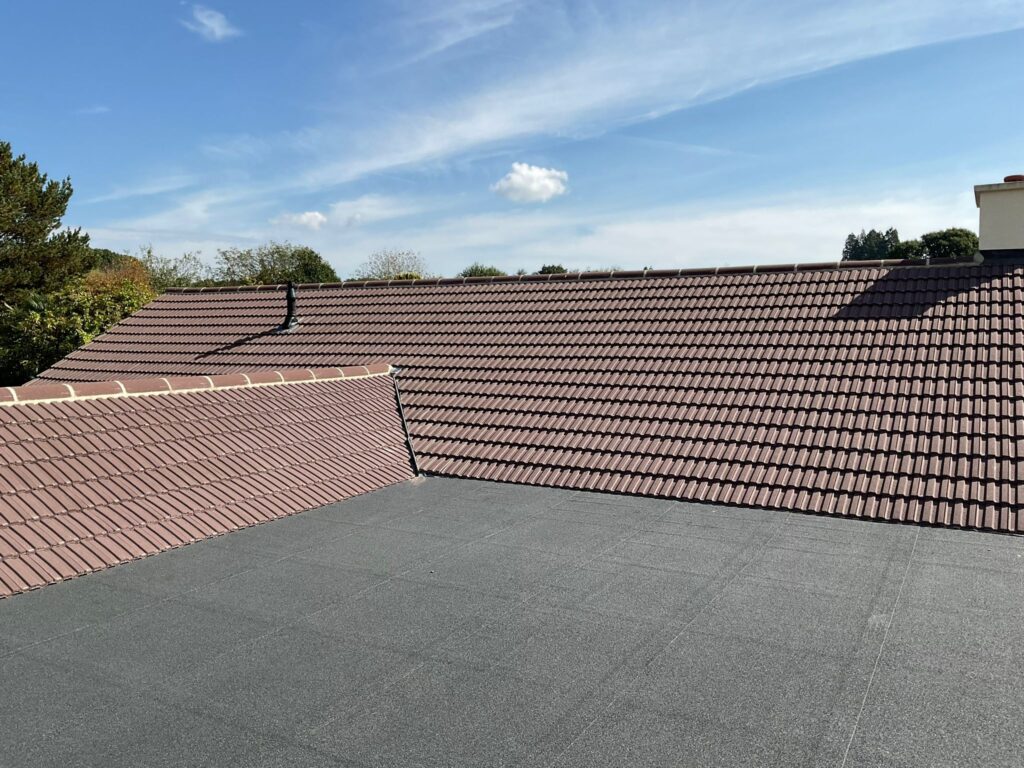
Pitched roofs are designed to provide reliable protection from rain, wind and changing weather conditions. However, like any part of a property, they can develop problems over time. Damaged tiles, deteriorating flashing, blocked gutters and water ingress can all affect the condition of a pitched roof.
Identifying problems early can help prevent further deterioration and make repairs more straightforward. For homeowners in Yeovil, Dorset, understanding the most common pitched roof issues can help you recognise when professional attention may be required.
Common Signs of Pitched Roof Damage
Some roof problems are immediately visible, while others only become apparent once they begin affecting the inside of the property.
Warning signs can include:
- Missing, cracked or slipped roof tiles
- Damp patches on ceilings or walls
- Water staining in the loft
- Damaged or loose flashing
- Sagging sections of the roof
- Blocked or overflowing gutters
- Moss or debris accumulating on the roof
- Daylight visible through the roof covering
If you notice any of these issues, it is sensible to arrange an inspection rather than allowing the problem to develop further.
Damaged or Slipped Roof Tiles
Tiles can become cracked, broken or displaced due to age, weather exposure or movement within the roof. A missing tile leaves an exposed section that may allow rainwater to reach the underlying roof structure.
Professional repair usually involves identifying the affected tiles and checking the surrounding area for additional movement or damage. Individual tiles may often be replaced without disturbing sound sections of the roof.
Prompt attention can help restore the weatherproofing of the roof and reduce the risk of water entering the property.
Leaking Pitched Roofs
A roof leak is one of the most noticeable signs that something is wrong, but finding the exact source can sometimes be difficult. Water may enter through one area and travel along the underside of the roof before appearing elsewhere.
Common causes include damaged tiles, defective flashing, gaps around roof junctions and deterioration around other vulnerable areas.
A professional inspection can trace the likely entry point and assess the surrounding roof rather than simply treating the visible damp patch inside the property.
Damaged Roof Flashing
Flashing is used around areas such as roof junctions, chimneys and other changes in the roof structure. It helps prevent water from penetrating vulnerable points.
Over time, flashing can become cracked, loose or deteriorated. If this happens, rainwater may enter beneath the surrounding roof covering.
Repairing or replacing damaged flashing can restore protection to these areas. The surrounding tiles and roof structure should also be checked to make sure there are no related defects.
Problems With Roof Valleys and Junctions
Roof valleys are areas where two sections of a pitched roof meet and where rainwater is directed towards the drainage system. Because they handle significant amounts of water, defects in these areas can lead to leaks.
Debris, damaged materials and deterioration can restrict water flow or create openings for water to enter the roof.
A professional assessment can determine whether the valley or surrounding materials require cleaning, repair or replacement.
Sagging or Uneven Roof Areas
A visibly sagging roof should not be ignored. It can indicate problems affecting the underlying structure rather than simply the external roof covering.
Possible causes can include deterioration of structural components, prolonged moisture exposure or movement within the roof construction.
Where sagging is present, the roof should be professionally assessed to establish the cause before repair work is planned. Addressing the underlying problem is essential rather than simply correcting the visible appearance.
Gutter and Roof Drainage Problems
Gutters play an important role in directing rainwater away from the roof and property. Blockages can cause water to overflow and remain against parts of the roof or walls.
After periods of heavy rainfall, check for overflowing gutters, standing water or visible damage around drainage points. Keeping gutters clear can help reduce unnecessary water exposure.
Where gutter problems are connected to a wider roof defect, professional assessment can help identify the appropriate repair.
Why Professional Pitched Roof Repairs Matter
Roof repairs require more than simply replacing the most obvious damaged component. A visible leak or missing tile may be a symptom of a wider issue.
A professional roofer can assess the roof as a whole, identify the source of the problem and determine which repairs are genuinely required. This helps avoid unnecessary work while ensuring important defects are not overlooked.
Pitched Roof Repairs in Yeovil, Dorset
For homeowners in Yeovil, Dorset, MCM Roofing Repairs Yeovil provides professional assistance with pitched roof repairs and related roofing problems.
Whether you have noticed slipped tiles, a roof leak, damaged flashing or another concern, an inspection can help establish the condition of the roof and identify the appropriate repair solution.
If you are concerned about your pitched roof in Yeovil, Dorset, contact MCM Roofing Repairs Yeovil to discuss the issue and arrange an assessment.
Conclusion
Pitched roofs can develop a range of problems, from damaged tiles and flashing to leaks, drainage issues and structural concerns. Recognising the warning signs early can help prevent minor defects from developing into more extensive damage.
Professional inspection and suitable repairs can restore the roof’s weather protection while addressing the underlying cause of the problem. For homeowners in Yeovil, Dorset, taking action when a roofing issue first appears can help maintain the condition and performance of the pitched roof.
Call us on: 01935 312 694
Click here to find out more about MCM Roofing Repairs Yeovil
Click here to complete our contact form and see how we can help with your roofing needs.