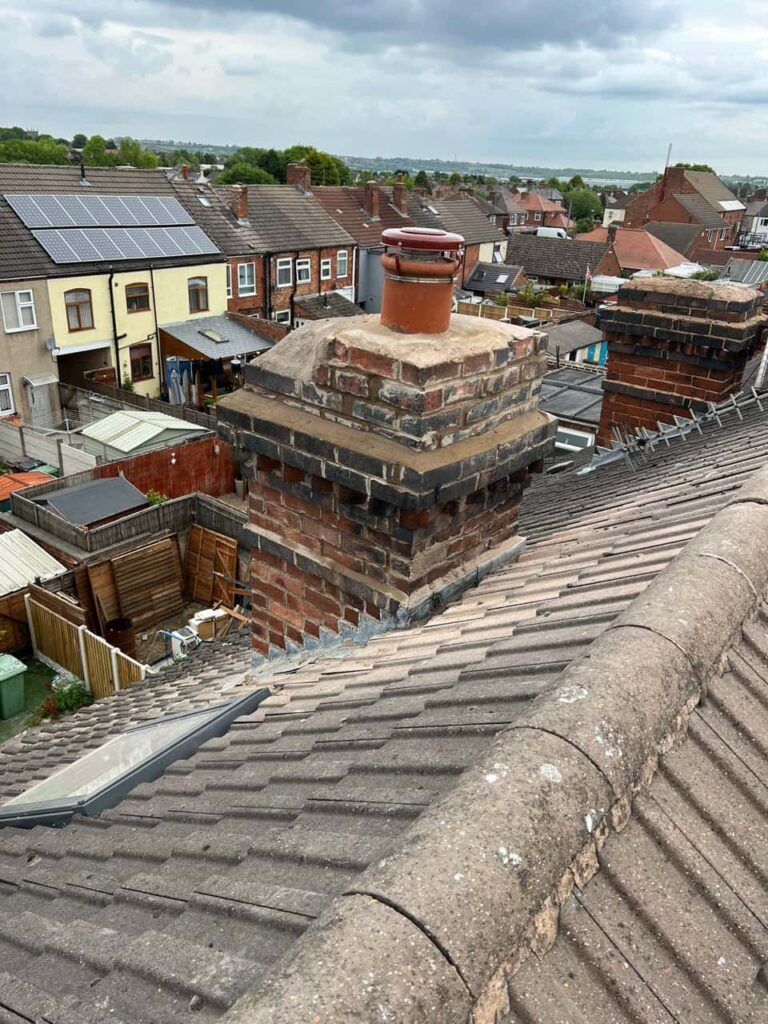
Roofing problems rarely begin as major failures. In many cases, serious roof damage develops from small defects that may appear harmless at first. A slipped tile, a minor leak, or a small area of damaged flashing can gradually allow water and weather exposure to affect other parts of the roofing system.
For homeowners in Yeovil, Dorset, understanding how minor roofing issues develop is important. Early attention and professional repairs can help prevent small defects from becoming larger problems that affect the wider property.
Small Problems Can Quickly Develop Over Time
A roof is constantly exposed to changing weather conditions, including rain, wind, frost, and temperature changes. Even a small weakness can become more serious when it is repeatedly exposed to the elements.
Common minor defects include:
- Cracked or missing roof tiles
- Loose ridge tiles
- Damaged flashing
- Small gaps around roof joints
- Blocked gutters
- Worn mortar
Although these issues may not cause immediate disruption, they can gradually reduce the roof’s ability to protect the property.
How Small Leaks Lead to Bigger Damage
A small roof leak is one of the clearest examples of how a minor defect can become a major concern. Water entering through a small opening can travel through the roof structure before becoming visible inside the home.
Over time, moisture can affect:
- Roof timbers
- Insulation
- Internal ceilings
- Loft spaces
- Surrounding roofing materials
By the time water damage becomes noticeable, the original roofing issue may have already developed further.
Damaged Roof Tiles Can Leave the Roof Vulnerable
Roof tiles provide an essential protective barrier against rainfall and wind. When a tile becomes cracked, broken, or displaced, the areas beneath it are more exposed.
A single damaged tile may allow moisture to reach:
- Roof battens
- Underlay
- Supporting timber
- Internal areas of the property
Replacing damaged tiles promptly is a simple way to maintain the roof’s protective function and prevent more extensive deterioration.
The Importance of Maintaining Flashing
Flashing is used to protect areas where the roof meets other structures, such as chimneys, walls, and roof features. These areas are naturally more vulnerable because they rely on effective sealing to prevent water entry.
Small flashing defects can develop into larger problems if left untreated.
Warning signs may include:
- Water marks near roof junctions
- Loose sections of flashing
- Cracks or gaps around edges
- Damp areas inside the property
Professional inspection helps identify whether flashing repairs are required before moisture causes further damage.
Blocked Gutters Can Affect the Roof
Gutters play an important role in controlling rainwater around a property. When they become blocked with leaves, moss, or debris, water may overflow and collect around roof edges.
This can contribute to:
- Damp roofline areas
- Deteriorating fascias and soffits
- Increased moisture exposure
- Damage around the edges of the roof
Keeping drainage systems clear supports the overall performance of the roofing system.
Weather Exposure Makes Existing Defects Worse
A roof with a small defect may continue to perform for a short period, but changing weather conditions can accelerate deterioration.
Strong winds can move loose materials, while heavy rainfall can increase water penetration. Frost can also worsen existing cracks as moisture expands during freezing conditions.
This is why small roofing concerns should not be ignored simply because they appear manageable.
Why Delaying Repairs Creates Bigger Problems
Many homeowners delay roofing repairs because the issue seems minor. However, small defects often become more complicated when they are left without attention.
A problem that may have originally required a straightforward repair can eventually affect multiple parts of the roof.
Regular maintenance helps by:
- Identifying early signs of damage
- Protecting vulnerable areas
- Extending the lifespan of roofing materials
- Reducing the risk of sudden problems
Professional Roof Inspections Identify Hidden Issues
Not all roofing problems are visible from ground level. Some defects develop beneath tiles, around roof joints, or in areas that are difficult to access.
A professional inspection can assess:
- Roof coverings
- Flashing
- Ridge tiles
- Drainage systems
- Signs of water penetration
- General roof condition
This allows problems to be addressed based on their actual cause rather than only treating visible symptoms.
Quality Roofing Repairs Protect Your Home
At MCM Roofing Repairs Yeovil, we provide professional roof repair services throughout Yeovil, Dorset. Our experienced team carefully assesses roofing problems to identify the cause of damage and recommend suitable repairs.
By dealing with defects at an early stage, we help homeowners maintain strong, reliable roofs that continue to protect their properties from the elements.
Conclusion
Small roofing defects can quickly become major concerns when they are ignored. Minor issues such as damaged tiles, small leaks, worn flashing, and blocked drainage systems can gradually affect the wider roofing structure if they are not addressed.
For homeowners in Yeovil, Dorset, taking a proactive approach to roof maintenance is one of the best ways to protect your property. Professional inspections and timely repairs can help prevent small problems from becoming more serious.
If you have noticed signs of roof damage or want to check the condition of your roofing system, MCM Roofing Repairs Yeovil provides expert roofing services tailored to your property. Early attention can help maintain a secure, weather-resistant roof for years to come.
Call us on: 01935 312 694
Click here to find out more about MCM Roofing Repairs Yeovil
Click here to complete our contact form and see how we can help with your roofing needs.